


Every February, brands burn $7-10 million for 30 seconds of Super Bowl airtime. Most waste it on celebrity cameos. Too few understand what actually builds brands: visual hammers and strategic enemies. Here is my highlight reel from the big game ads.
THE VISUAL HAMMERS
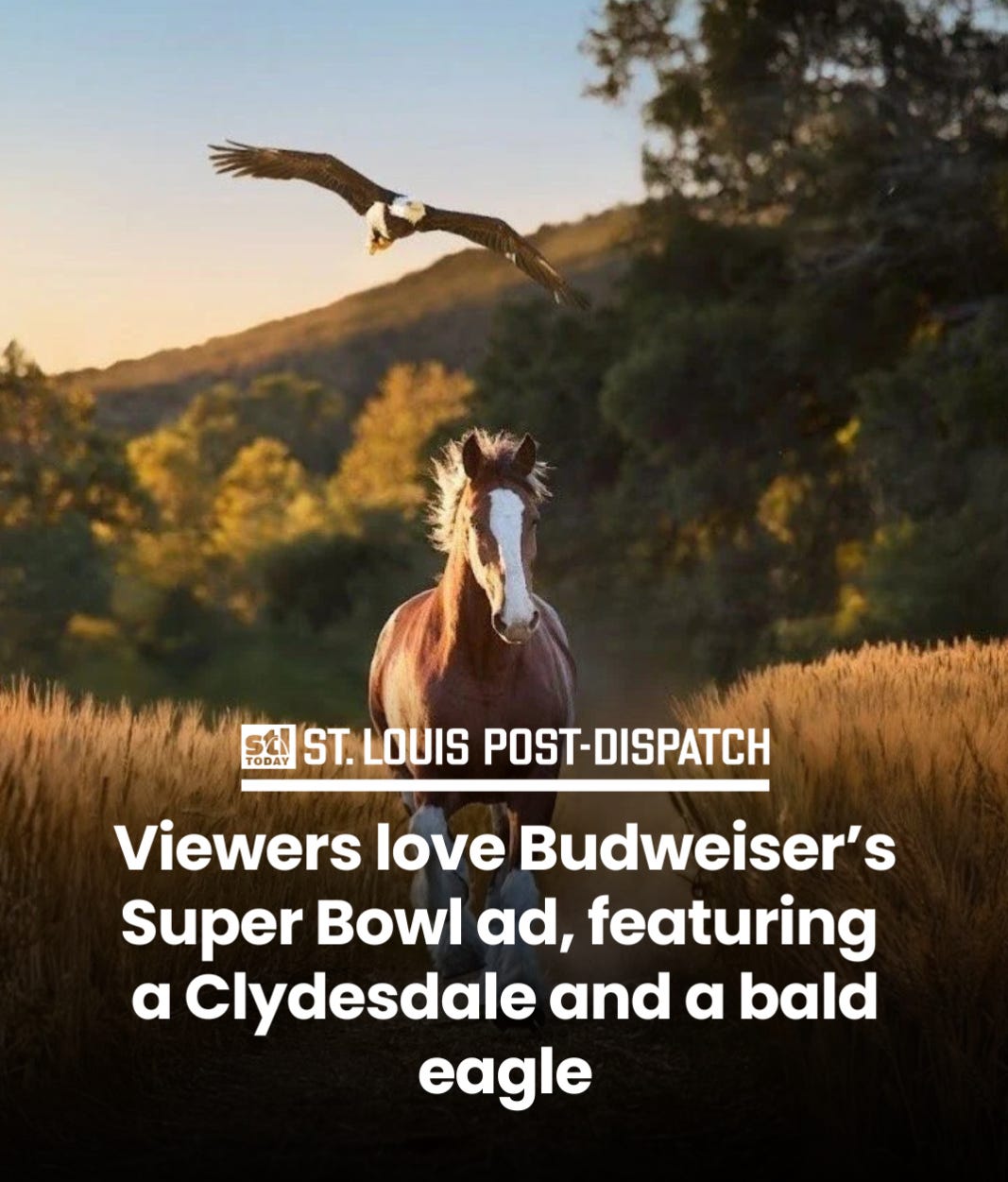
Budweiser: The Clydesdales (48th Appearance) was pure perfection
A Clydesdale foal befriends a baby bald eagle. They grow up together to Lynyrd Skynyrd’s “Free Bird.” The eagle soars from the horse’s back. Simple. Powerful. American. Budweiser.
Budweiser has used the Clydesdales for 90+ years. This is their 48th Super Bowl appearance. That’s not nostalgia, that’s brand equity compounding year after year.
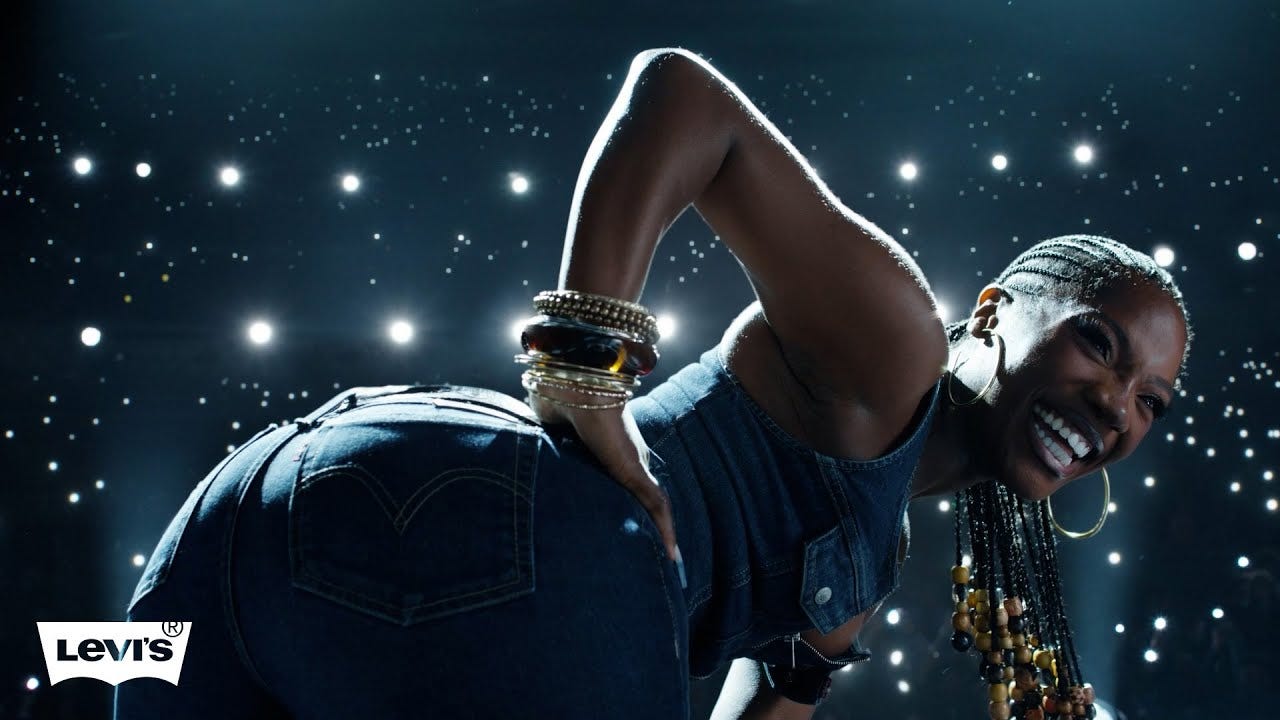
Levi’s: The Back View
After 20 years away, Levi’s returned with “Backstory”, showing everyone from behind. Doechii, Questlove, Shai Gilgeous-Alexander, The Boss, even Woody from Toy Story. All shot from the back.
Why? The arcuate stitching and Red Tab. That’s what Levi’s owns. Most jeans brands would show smiling faces. Levi’s knows their power lives in that instantly original and recognizable back pocket view.
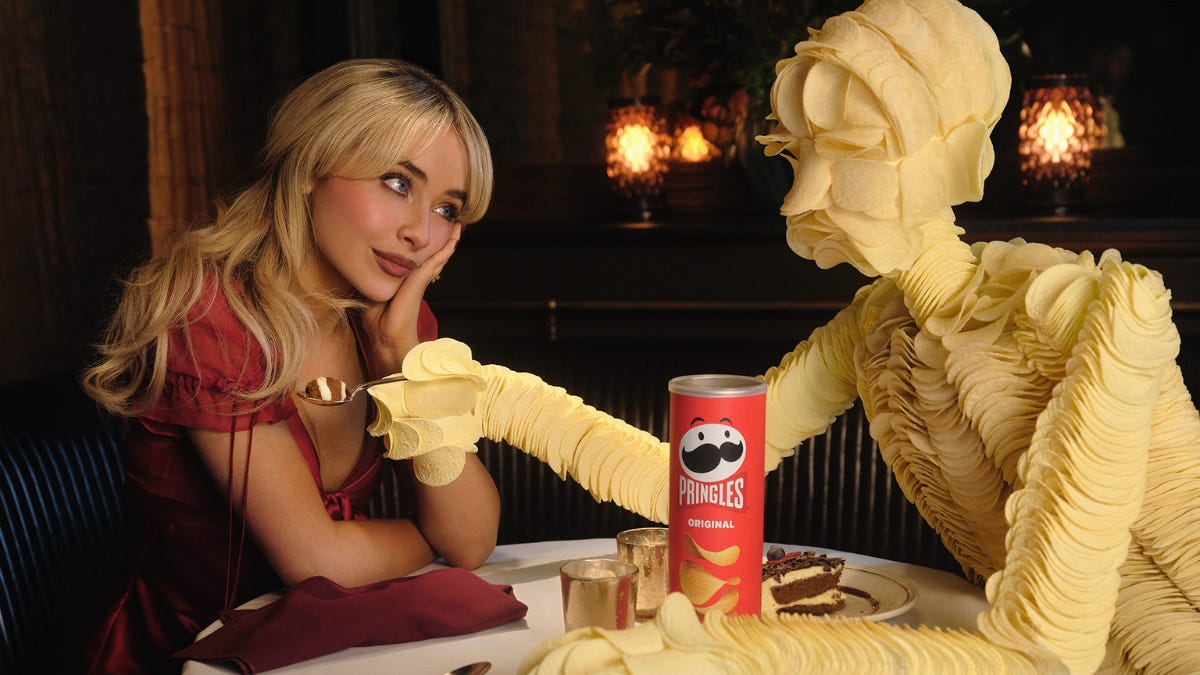
Pringles: The Curved Chip Shape
Sabrina Carpenter built her perfect boyfriend “Pringleleo” by stacking Pringles chips. The star of the ad? The distinctive curved chip shape itself.
That saddle shape is so ownable you can build a person out of it and everyone knows it’s Pringles. The stackable curve reinforces the product’s unique design and taste.
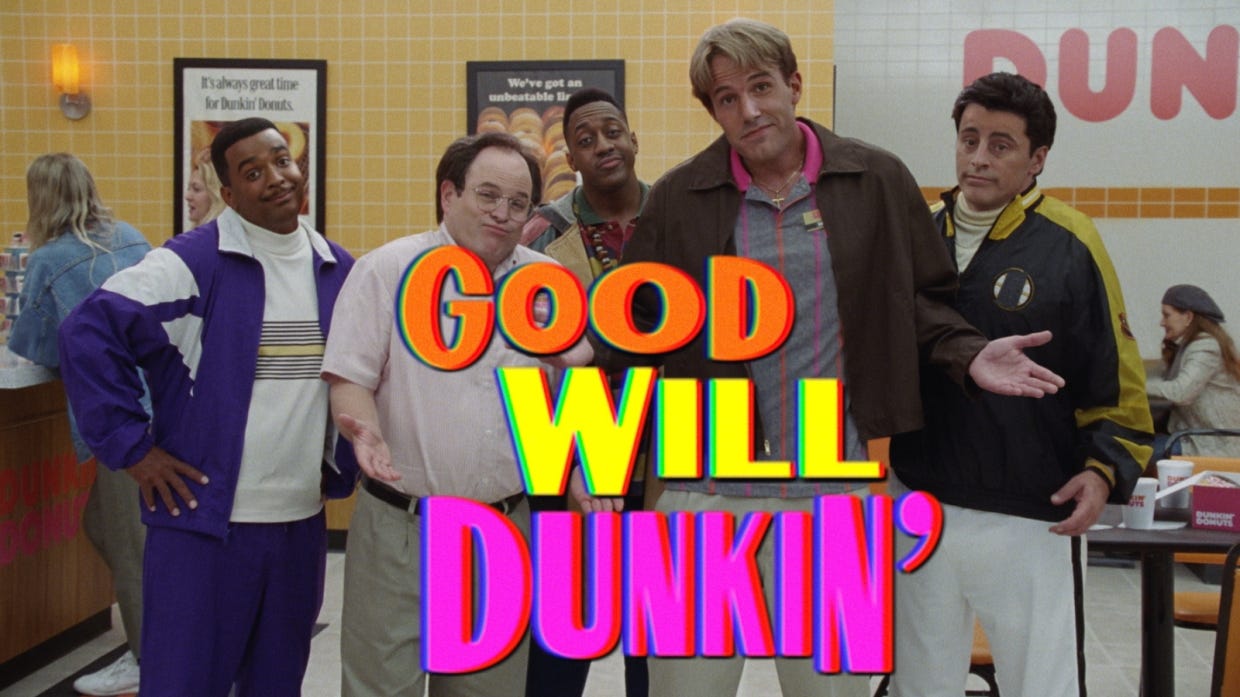
Dunkin’: Orange & Pink + Boston
Ben Affleck’s fourth year starring for Dunkin’. The “Good Will Dunkin’” spot parodied his own movie, set in Cambridge, filled with working-class 90s sitcom characters.
The visual hammer: those orange and pink colors everywhere. The strategy: Affleck returns every year, building equity like the Clydesdales. Positioning: Boston’s coffee for real people (America Runs on Dunkin’,) not the pretentious Starbucks crowd.
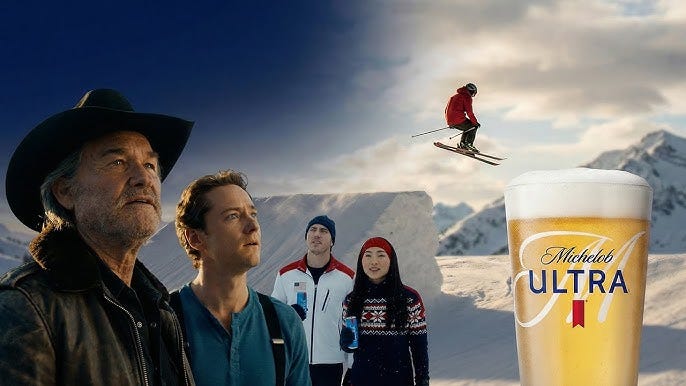
Michelob Ultra: Active Lifestyle Imagery
Kurt Russell coaching Lewis Pullman through brutal training montages. Olympic athletes watching. “Eye of the Tiger” soundtrack. Every frame screamed: beer for active, competitive people.
Michelob Ultra doesn’t own a logo or color, they own the category of “performance beer.” Low-carbs and calories for active, health-conscious consumers.
They are building a tradition too. Last year they were a winner with pickleball with Willem Dafoe and Catherine O’Hara (RIP🥹). This year was skiing just in time for the Olympics!
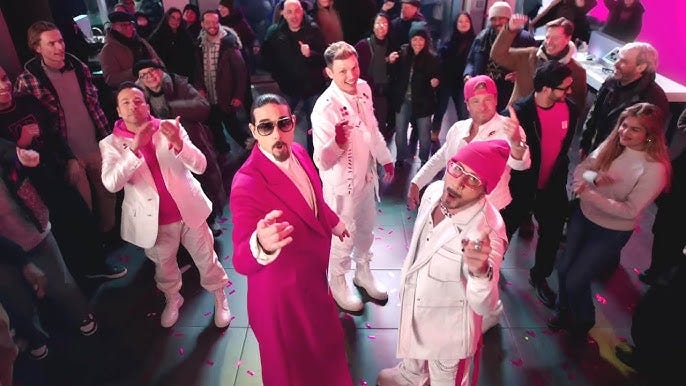
T-Mobile: Vibrant Magenta
T-Mobile owns magenta the way Tiffany owns robin’s egg blue. In their Backstreet Boys spot, magenta confetti exploded, magenta branding covered the store, magenta everywhere. Color as visual hammer = instant recognition from start to finish.
T-Mobile is a double winner since they also leverage a strategic enemy.
T-Mobile built their brand on being the alternative to AT&T and Verizon. The Uncarrier. Great coverage without the fees, contracts, and corporate BS.
The Backstreet Boys sang: “Tell me why it’s America’s best network” and touted free Netflix, monthly Slurpees, better value. It’s better over here. I agree.
THE STRATEGIC ENEMIES
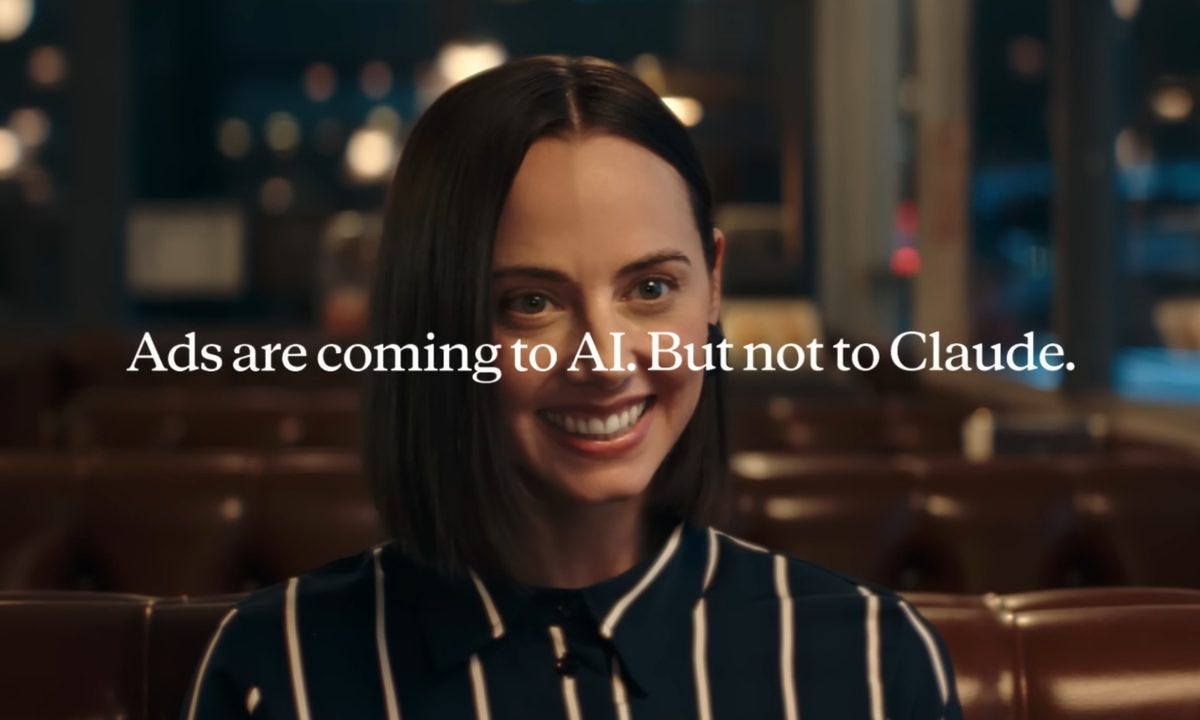
Claude vs. ChatGPT: The AI Ad War
Anthropic dropped four Super Bowl ads titled “Betrayal,” “Deception,” “Treachery,” and “Violation.” Each showed people asking an AI chatbot (clearly meant to be ChatGPT) for help, only to have the conversation hijacked by jarring ads for cougar dating sites and height-boosting insoles.
The strategic enemy: OpenAI and its decision to put ads in ChatGPT’s free tier.
The positioning: Claude is the AI company that won’t compromise your experience with ads. Their business model, enterprise contracts and paid subscriptions, means they don’t need to “maximize engagement for a billion free users” or monetize attention with advertising.
This AI rivalry is real. Anthropic was founded by former OpenAI employees who left over disagreements about safety and direction. While ChatGPT is the household name, Claude has become the favorite among companies. Over 80% of Claude’s revenue comes from business customers especially in technology, finance and professional services.
The conflict and discussion benefit both companies. The problem is for the AI brands not in the conversation, they will need to narrow the focus.
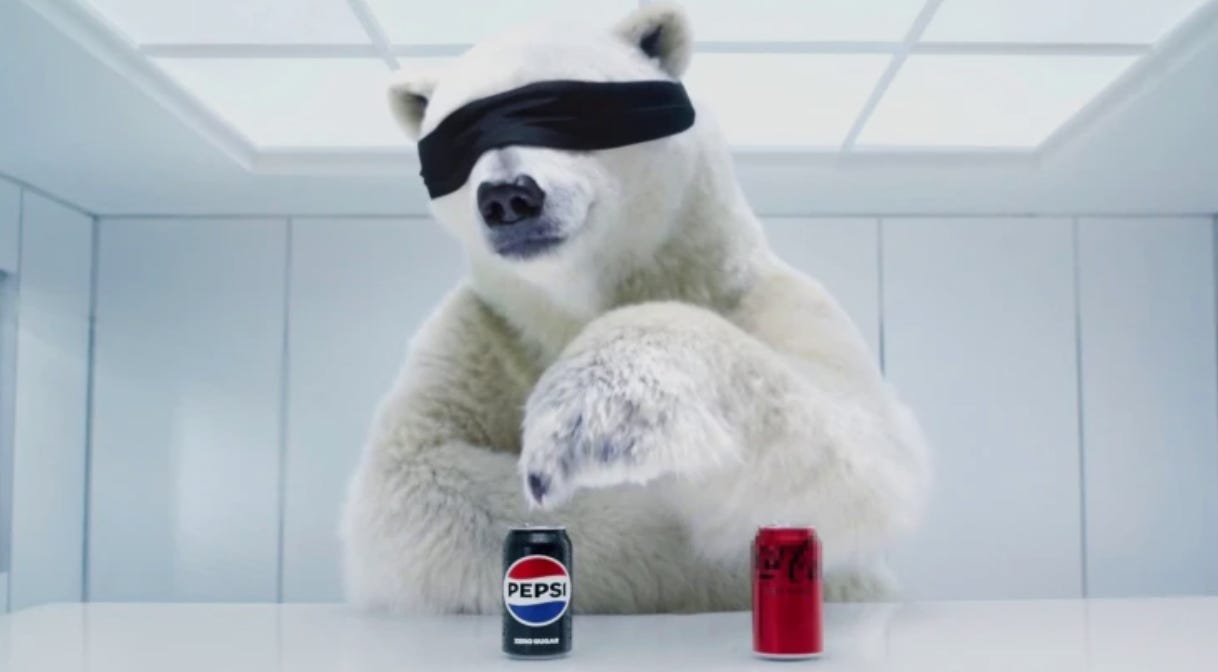
Pepsi vs. Coca-Cola: Hijacking the Polar Bear
The gutsiest ad of the night. Pepsi showed Coca-Cola’s polar bear, a Coke visual for over 100 years, choosing Pepsi Zero Sugar over Coke Zero in a blind taste test. The bear goes through an identity crisis with therapist Taika Waititi, then accepts his new Pepsi-loving self.
Strategic enemy positioning? Absolutely. Pepsi has 50 years of “Pepsi Challenge” data showing they win blind taste tests. The ad weaponizes Coke’s own iconic mascot to prove it.
But here’s the problem:
Do you believe Pepsi Zero tastes better that Coke Zero. In a battle of line-extensions the leader always has the advantage. The numbers prove it, they are getting crushed 3-to-1.
Pepsi Zero Sugar: 1.4% market share
Coke Zero Sugar: 4.6% market share
This isn’t the 1980s anymore. The Pepsi Challenge and Pepsi being cool is a distant memory. Coca-Cola on the other hand is stronger than ever especially after unifying Coke Original Taste and Coke Zero Sugar under the same red packaging. Both the Real Thing. One visual hammer.
Hijacking the polar bear did get attention. But giving free Super Bowl publicity to Coca-Cola’s most iconic visual hammer while you’re losing the taste war 3:1? That’s strategic thinking with a fatal flaw in execution. First get some buzz that more people prefer the taste of Pepsi Zero other than your AI polar bear.
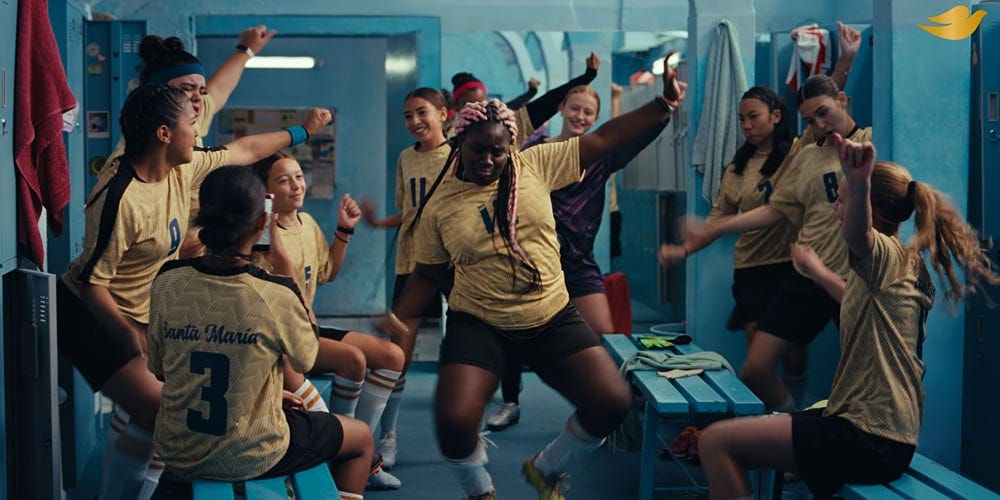
Dove: Fighting Toxic Beauty Standards
Dove’s “The Game Is Ours” showed 90+ young female athletes. The soundtrack: real sounds of movement, footsteps, breath, impact. Building intensity to overpower negative body talk.
The strategic enemy: toxic appearance pressures that push girls out of sports. Research shows 1 in 2 girls quit sports by age 14 due to low body confidence and body-shaming criticism.
Dove’s positioning: championing real beauty and body confidence since 2004. The Self-Esteem Project has reached 137 million young people. This isn’t a one-off, it’s a 20-year strategic positioning idea with a clear enemy: unrealistic beauty standards that damage girls and women’s self-esteem.
MAJOR MISFIRES
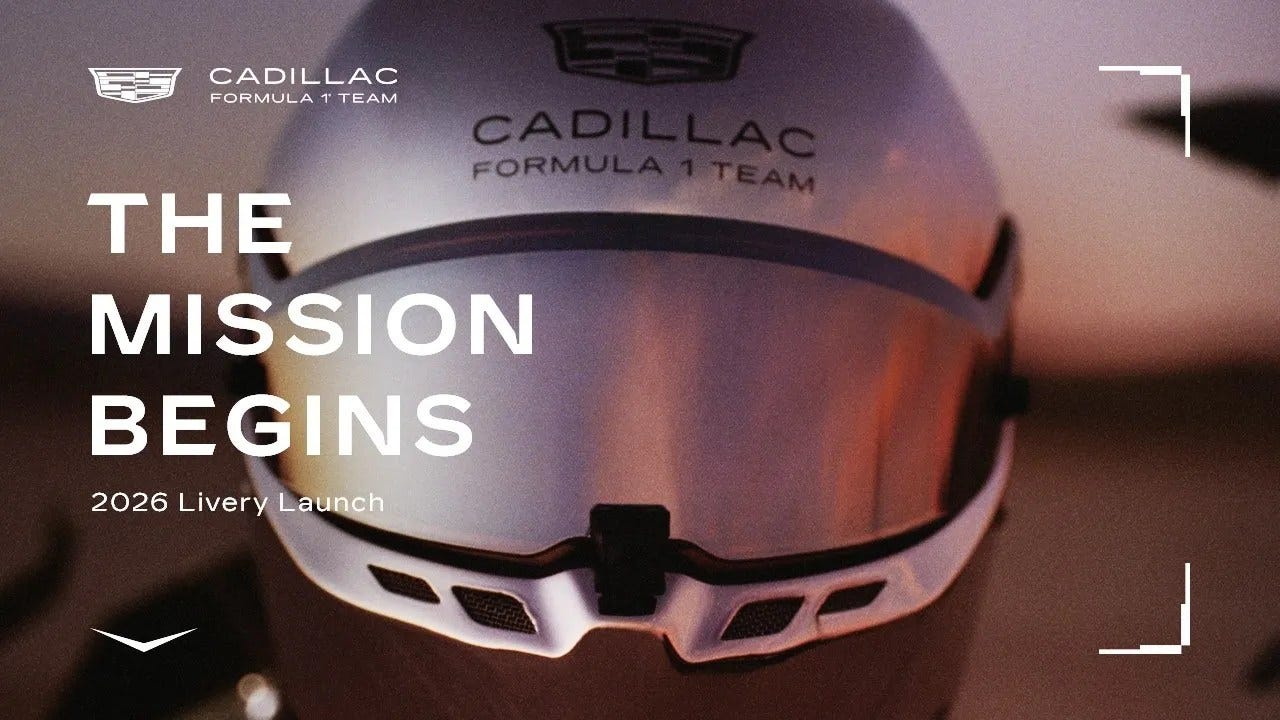
Cadillac F1: The Craziest Disconnect
Cadillac unveiled their Formula 1 car with JFK’s “We choose to go to the Moon” speech and Apollo mission audio. Stunning production. Epic ambition.
One problem: Cadillac will never win an F1 race.
They’re entering as a backmarker team with Ferrari customer engines until 2029. The Brad Pitt F1 movie is Oscar-nominated, but that’s Hollywood. Reality? They’ll be lapped by Red Bull, Mercedes, and Ferrari for years.
The disconnect between the moon-shot imagery and racing reality is astounding. This isn’t challenger brand positioning—it’s delusional positioning. There’s no credible alternative being offered here, just borrowed glory from America’s space program attached to a team that will finish 9th or 10th.
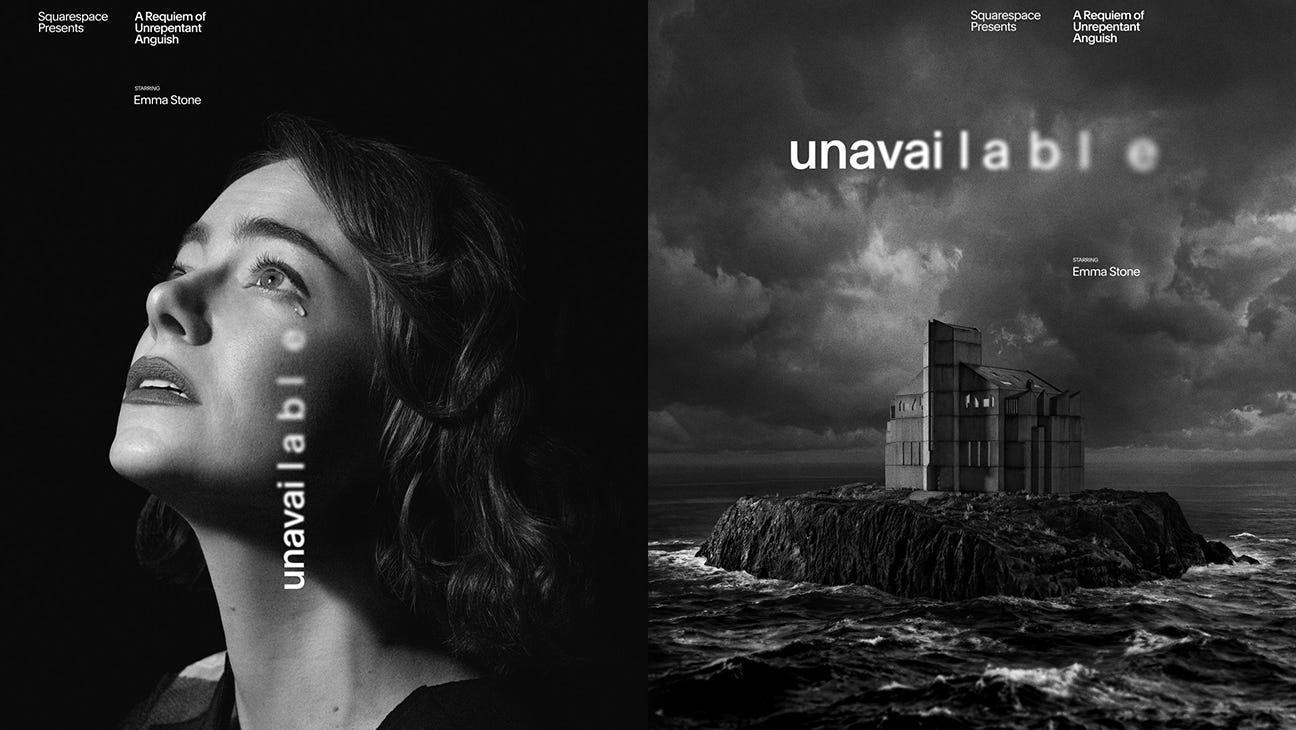
Squarespace: Solving Yesterday’s Problem
The New York Times ranked Emma Stone’s Squarespace ad as the #1 Super Bowl commercial. In terms of a piece of art? A+. Gorgeous Yorgos Lanthimos direction, shot on black-and-white film, highly cinematic. In terms of positioning? C-
The premise is that Emma Stone just decided to try buy a domain with her name? Does anyone not know to register a domain name in 2026? Shame on you Emma Stone! I was looking up domains for my kids before I was in labor!
The storyline feels circa 2002. Everyone building a brand knows checking for the domain is the first thing you do.
The bigger issue is Squarespace is nowhere in domain registration. GoDaddy is the industry giant and the first place most people go.
Squarespace owns “beautiful website building.” Squarespace just recently added domain registration after buying Google Domains in 2023.
Super Bowl ads are best at reinforcing what you do and not very good for expanding the brand.
Consistency compounds. Novelty doesn’t.
Budweiser’s 48th Clydesdale appearance is worth more than the 47th. The 47th was worth more than the 46th. That’s how visual hammers work. The equity compounds.
Most brands chase novelty. They chase celebrities, trends, extensions and AI gimmicks. Then wonder why their Super Bowl ad didn’t move the needle.
Most have lots of fun making the ads, several definately entertained me between plays. But in the end, what makes the money worth it is being remembered for a positioning idea and visual hammer that sticks.
What did you think of this year’s Super Bowl ads? Which visual hammers worked best? Did Claude land a knockout punch on ChatGPT? And should Pepsi have poked the polar bear? Share your thoughts in the comments.
A run read - add the ad links in to each review!
Great article. Well gathered information.